
Bankulli's Chronicles of Afrobeats Explores the Roots of a Global Sound


For nearly a decade, Grammy-nominated Nigerian music executive and talent manager Bankulli (Abisagboola Oluseun John) has been piecing together what he believes is one of the most important stories in African music.
Speaking on Accra-based Pluzz FM, the longtime music executive revealed that he has spent the last eight to nine years developing Chronicles of Afrobeats, a documentary project created to document the origins, evolution and global rise of Afrobeats while ensuring its history is preserved for future generations.
"We have to learn our story, preserve our story and archive our story," Bankulli said. "If we don't tell it ourselves, somebody else will tell it differently."
The documentary's debut episode, The Sound, premiered in November 2025, tracing the musical lineage that shaped Afrobeats. It explores the influence of Fuji, Juju, Highlife and Afrobeat, before examining how the genre evolved by embracing electronic sounds in the 1980s and reggae and dancehall influences throughout the 1990s.
For Bankulli, however, Chronicles of Afrobeats extends far beyond documenting music. He describes it as a cultural archive that captures the people, movements and moments that transformed Afrobeats into one of the world's most influential genres.
He noted that the project also highlights the genre's impact on African identity, particularly among young people across the continent and in the diaspora.
"People think it's just music and dance," he explained. "But Afrobeats gives people confidence. It changed how Africans see themselves and how the world sees us."
The project will also be released as a book, expanding its mission of documenting the genre's history beyond the screen.
Bankulli admitted the journey wasn't without challenges. He said the years spent researching and interviewing contributors taught him patience and humility, especially as many conversations touched on subjects that had rarely been discussed publicly.
Among them is the debate surrounding the origins and ownership of Highlife music — a genre that played a pivotal role in shaping modern Afrobeats. According to Bankulli, Ghana occupies an important place throughout the documentary because of its contribution to the sound's evolution.
"When you watch it, there are some sensitive topics people were very scared to talk about," he said, adding that many of these stories had never been properly documented.
Calling the documentary a tribute to the architects of African music, Bankulli said the project exists to ensure the pioneers behind the sound receive the recognition they deserve.
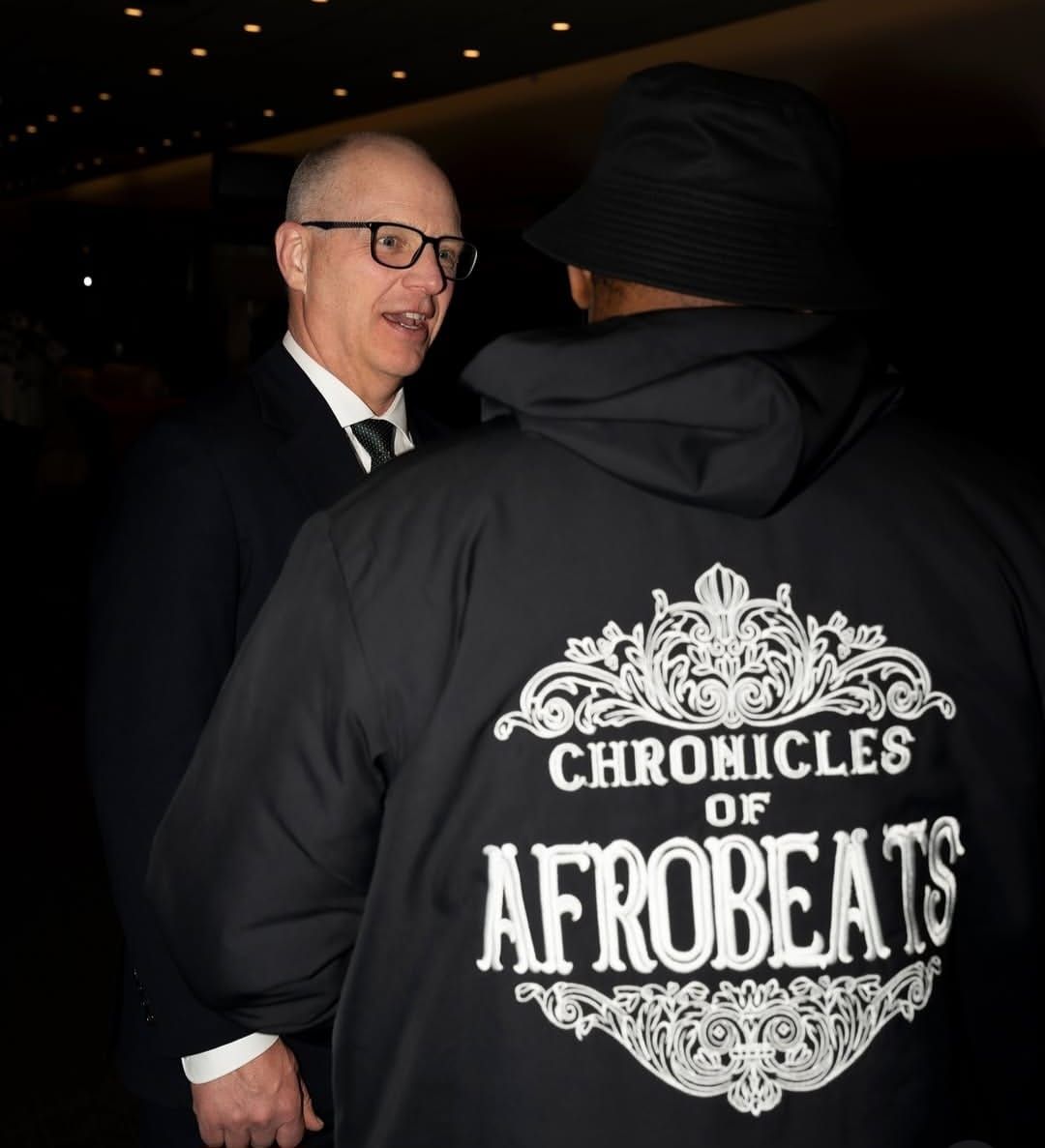
As Chronicles of Afrobeats continues its rollout, Bankulli revealed that global activations are already underway. The project has hosted events in Lagos in partnership with the Canadian Embassy, as well as in New York, Atlanta and Houston, bringing together music industry stakeholders and audiences to engage with the story behind Afrobeats.
For Bankulli, preserving the genre's legacy is no longer optional it's essential. And through Chronicles of Afrobeats, he hopes the next generation will inherit not only the music, but the history that made it possible.